
Microsuction
A fine suction tube lifts the wax out while the clinician watches through magnification. Nothing wet goes in the ear.
The UK's network of Ear Wax Removal Clinics
The UK's network of Ear Wax Removal Clinics
Search 625 clinics across the UK offering microsuction and other ear wax removal. See what's close by, then book online or call the clinic direct.

625
Clinics in the network
Book online or by phone
433
Towns and cities covered
From city centres to market towns
6
Removal methods explained
Including the ones to avoid
28
Ear care guides
Based on NHS and NICE advice
Treatments
Many private clinics now use microsuction, but it isn't the only option. Here's how each method works, who it suits and which ones the NHS advises against.
A fine suction tube lifts the wax out while the clinician watches through magnification. Nothing wet goes in the ear.

The older hand-held water method. Most clinics and surgeries now use electronic irrigation instead.

An electronic irrigator sends a steady stream of warm water into the ear to wash softened wax out.

A complementary therapy with no evidence that it removes wax. The NHS advises against using ear candles.

Wax scooped out by hand with a fine pick or curette. Fine in trained hands, risky to try on yourself.

Softening drops and oils you can use at home, and the habits that tend to make a blockage worse.
How it works
Each clinic listed here is run by its own team, and you deal with them directly. Finding one near you and getting booked in takes a few minutes.
Type a town, city or postcode. Suggestions appear as you type, including clinic names, so you can jump straight to one you already know.
Each page shows the clinic's address and map, the services it offers and how to get in touch. Many also list their opening hours.
Send a booking request with a date that suits you and the clinic will contact you to confirm, or ring them if you'd rather talk it through first.
Featured clinics
A selection of featured ear wax removal clinics from around the UK. Open a clinic's page for directions, services and booking.
Birmingham

Solihull

Brentwood
Lytham Saint Annes

Macclesfield

Horley
Studley
Stockport
The appointment
Microsuction is now the method many private clinics use. Appointments tend to follow the same four steps, and the removal itself usually takes a few minutes per ear.

The clinician asks about your symptoms, any past ear surgery, perforated eardrums or infections, and whether you have been using drops. It only takes a couple of minutes, and it tells them whether microsuction is the right method for you.
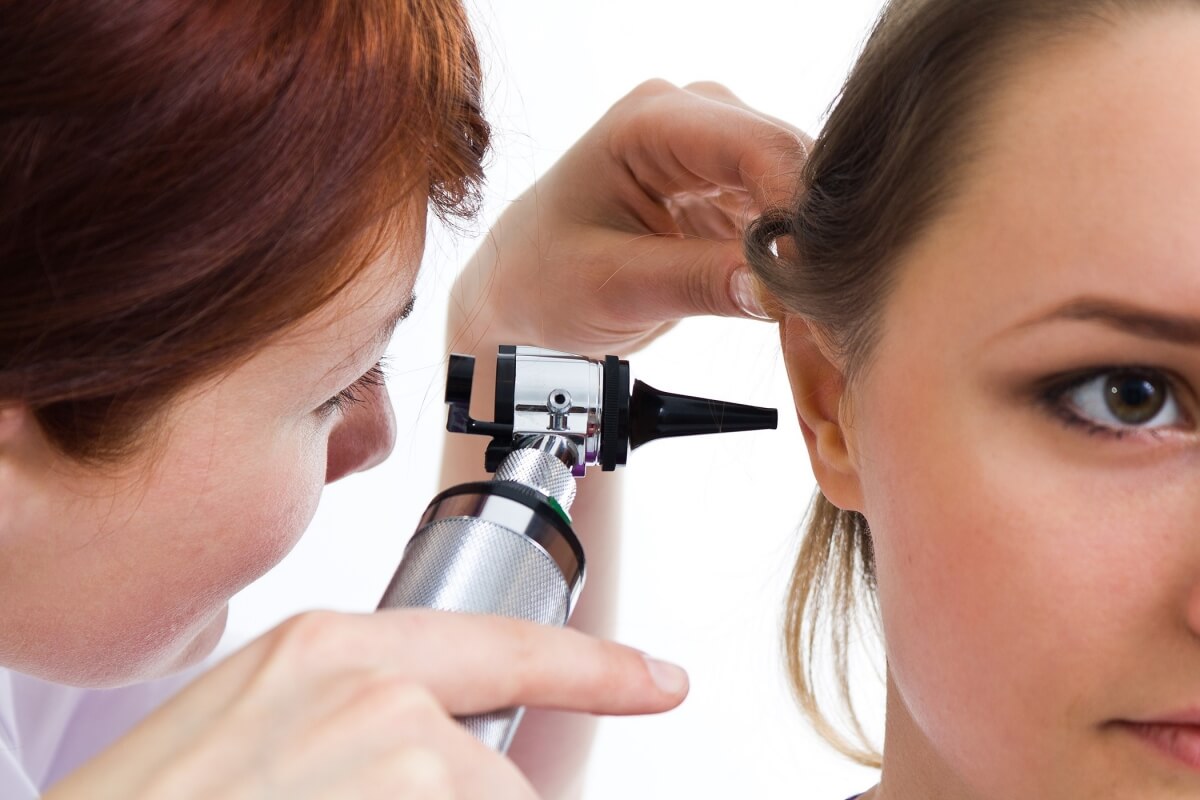
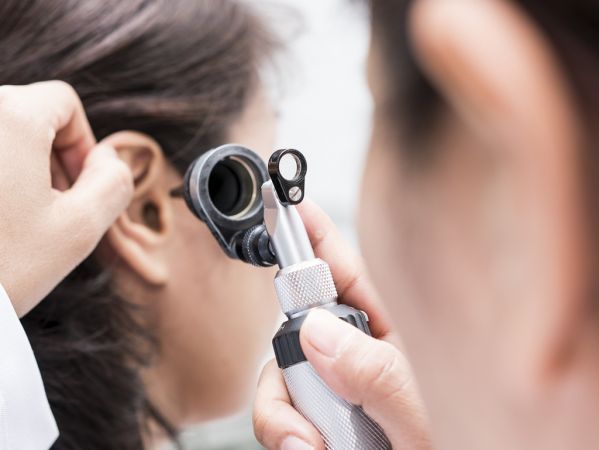
Using an otoscope, or a video otoscope so you can watch on a screen, they check the ear canal and eardrum and see how much wax there is and how hard it is. If something else is going on, such as an infection, they will explain what they have found and what to do next.
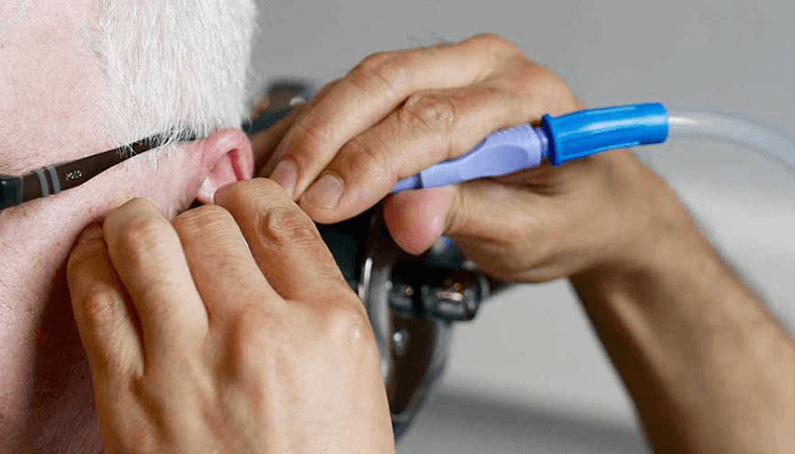
Looking through magnifying loupes or a microscope, the clinician guides a fine suction tube into the canal and lifts the wax out. Expect a hissing, crackling sound while it works. No water goes into the ear, and for most people the suction takes a few minutes per ear.
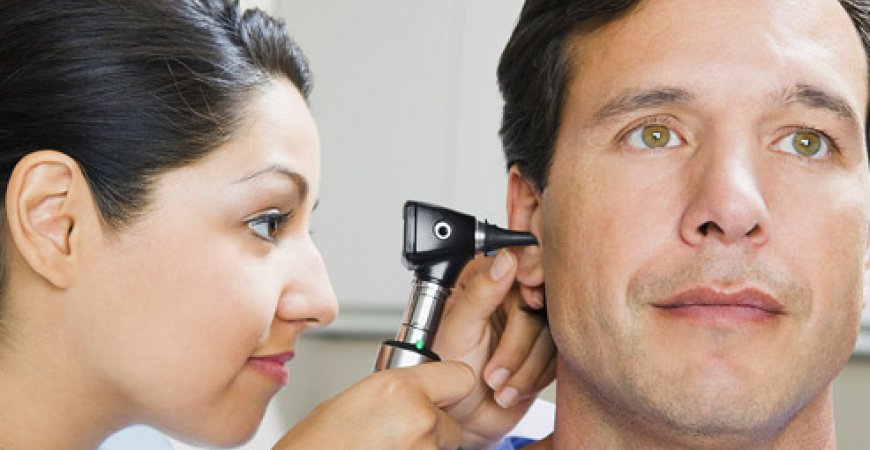
They look again to make sure the canal is clear and the eardrum looks healthy, then tell you what they saw. You leave with simple advice on looking after your ears, such as keeping cotton buds out of them, and when it might be worth coming back.
Symptoms
Ear wax normally works its own way out. When it doesn't, these are the symptoms people tend to notice first.
Contact your GP or call NHS 111 if you have ear pain with a high temperature, discharge or bleeding from the ear, swelling around it, or sudden hearing loss. These need checking before any wax is removed.
Locations
There are open clinics in 433 towns and cities around the UK. Choose a city to see every clinic within 10 miles of its centre, or search for your own.
Ear care guides
Plain-English guides based on NHS and NICE advice: what's normal, what isn't, and what to do about a blocked ear.

Removal and appointments
From the first questions to the final check of your eardrum, a step-by-step guide to a typical ear wax removal appointment, how long it takes and how it feels.
Removal and appointments
A side-by-side look at microsuction and ear irrigation: how each works, comfort, suitability, preparation and which one clinicians choose when.

Removal and appointments
Many GP surgeries no longer remove ear wax. What the NHS offers, who still qualifies, the NICE guidance and your options if your surgery says no.
From the blog
News, tips and longer reads about ear wax, ear health and hearing loss.
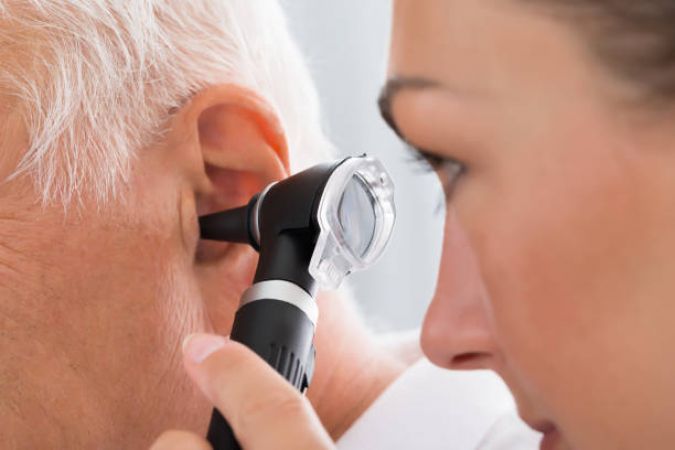
You might have heard of Otoscopy, but what exactly is it? Simply put, it's the study of the ear and its structures. It involves using an instrument called an otoscope to...
Ear wax, ear wax, ear wax! Why must it cause us so much trouble?! And with so many methods of removal, how do we know which one is right for us? Well, let's talk about on...

Ear wax, also known as cerumen, is a natural substance produced by the body to protect the ear canal and ear drum. It traps dirt, dust, and other particles to prevent the...
Questions
Short answers to the things people ask most before booking.
Not always. Many clinics can remove wax by microsuction without any drops first. If your wax is hard, or you are booked in for irrigation, the clinic may ask you to use olive oil or sodium bicarbonate drops for a few days beforehand to soften it. Check when you book.
Our guide on how to use ear drops shows the best way to put them in.
It shouldn't. Most people describe it as noisy rather than painful, because the suction makes a hissing or crackling sound close to your ear. Some feel a little dizzy or notice a cool sensation for a minute or two afterwards. If anything feels sore, tell the clinician and they will stop.
Allow around half an hour. That covers a few questions, a look in both ears, the removal itself and a final check. The suction is often over in a few minutes per ear, although hard or impacted wax can take longer and, now and then, a second visit.
It depends on where you live. NICE guidance says ear wax removal should be available in primary care or community ear care services, but many GP surgeries have stopped offering it and some areas only treat certain patients. Ask your GP practice what is available locally. If they can't help, a private clinic is usually the quickest route.
We explain the options in ear wax removal on the NHS.
Each clinic sets its own prices, so check the clinic's page or ask when you book. Some charge per ear and others per appointment, and home visits usually cost more than seeing someone in clinic.
Our guide to ear wax removal costs covers what is usually included.
Yes, when a trained clinician does it. NICE guidance lists both microsuction and electronic irrigation as options. As with any procedure there are small risks, such as brief dizziness, temporary ringing in the ear or, rarely, irritation of the ear canal. Tell the clinician if you have had ear surgery, a perforated eardrum or a recent ear infection, because it may change the method they use.
Read more in is microsuction safe?

Book an appointment
Choose a clinic, pick a date that suits you and send your details. The clinic will get back to you to confirm a time.
Appointment request