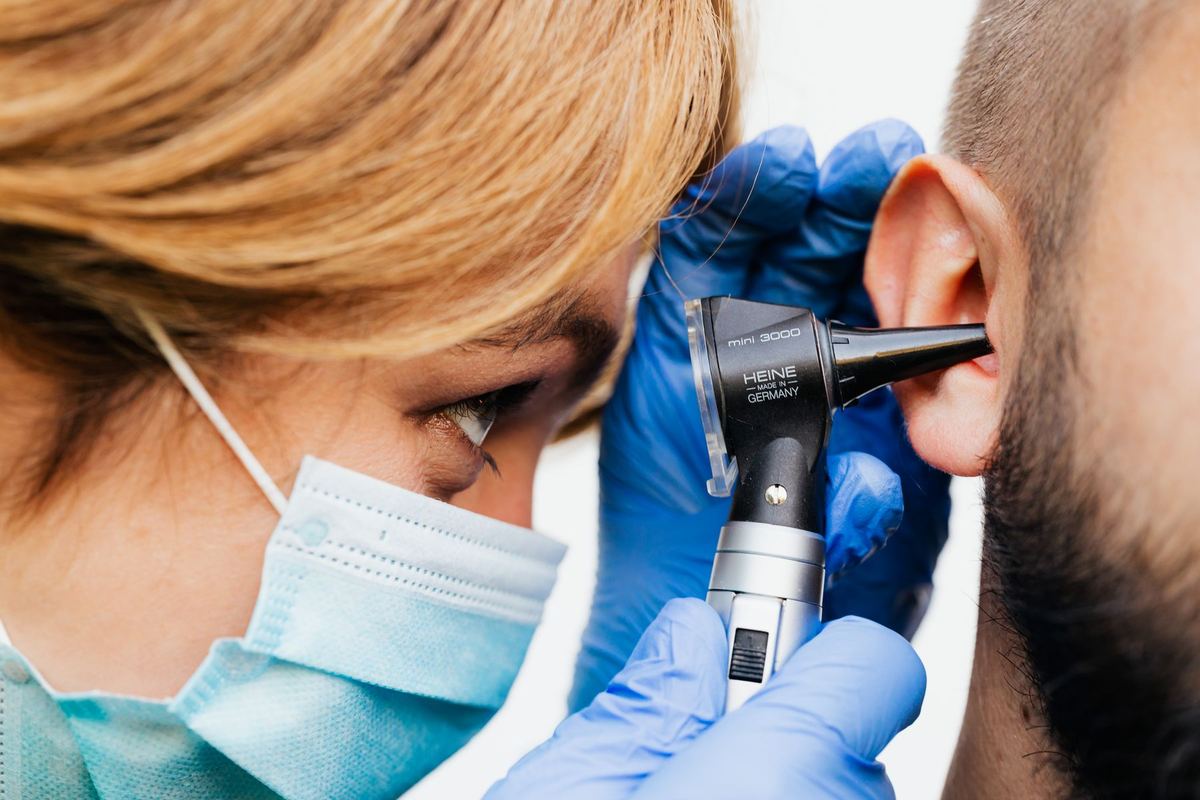
Six ways people try to clear ear wax, from oil drops at home to microsuction at a clinic. See how each one works, how long it takes, what it feels like and where the NHS and NICE stand, so you know what to ask for when you book.
Leave out the rest. Skip cotton buds and ear candles, and don't accept old-style manual syringing.
01Compare
All six methods side by side
The facts that usually decide it: time, comfort, preparation, water and what the NHS and NICE say. Times are typical, and clinics set their own prices and preparation advice.
Scroll sideways to see every column
Ear wax removal methods compared
Ear wax removal methods compared
How it works
How long it takes
What it feels like
Drops beforehand
Water used
NHS and NICE position
Where to get it
Microsuction
A fine suction tube lifts the wax out while the clinician looks in through magnification. Read about microsuction
Usually a few minutes per ear
Noisy, but rarely painful
Often suggested for a few days, not always needed
None
In NICE guidance
Private clinics, hearing centres, some pharmacies and NHS services
Ear Irrigation
An electronic pump sends a controlled stream of warm water into the canal to wash softened wax out. Read about ear irrigation
Usually a few minutes per ear
Warm and gurgly; a few people feel briefly dizzy
Yes, usually for up to 5 days first
Yes, close to body temperature
In NICE guidance
Some GP surgeries and community services, private clinics
Feels warm, but can burn the face or drip wax into the ear
No
No
NHS advises against
Sold online and by some therapists; not offered by the NHS
Based on NHS advice and NICE guideline NG98. Whatever the method, the clinician should check your ears first and ask about perforations, grommets, ear surgery and infections.
02The methods
How each method works
Three are done by trained clinicians, one is what you can safely do at home, and two are best avoided. Each page covers the whole process, the risks and the costs.
A complementary therapy with no evidence that it removes wax. The NHS advises against using ear candles.
What to know
03Choosing
Which method is right for me?
Your ear history matters more than any headline claim about one method being best. Find the situation closest to yours.
If your ear feels blocked but you are otherwise well
Start with drops at home
Use 2 to 3 drops of olive or almond oil, 3 to 4 times a day, for 3 to 5 days. Many blockages then clear over the next couple of weeks without anything else.
Both are named in NICE guidance for trained practitioners. Ask your GP surgery what it offers first: many no longer remove wax, so private clinics and some pharmacies fill the gap.
If you have had a perforated eardrum, grommets or ear surgery
Choose a dry method
Water-based methods are avoided, so microsuction or manual removal by a trained clinician are the usual options. Tell the clinic about your ear history when you book.
Microsuction is noisy. If you have hyperacusis or troublesome tinnitus, irrigation is quieter, as long as your eardrum is healthy and the wax has been softened first.
Hearing aids stop wax finding its way out, so build-up is common. Ask how often you are likely to need removal, and whether oil drops now and then would help in between.
For most people the safest first step is softening drops at home: the NHS suggests 2 to 3 drops of olive or almond oil, 3 to 4 times a day, for 3 to 5 days. If the ear is still blocked, have it looked at. Microsuction and electronic irrigation by a trained practitioner are both named in NICE guidance. Which is safer for you depends on your ears: water-based methods are avoided with a perforated eardrum, grommets or previous ear surgery.
Is microsuction better than ear irrigation?
NICE doesn't rank one above the other. Microsuction keeps the ear dry and lets the clinician watch the wax throughout, while irrigation is quieter but needs a healthy eardrum and well-softened wax. Our guide to microsuction vs ear irrigation compares them in detail.
Which ear wax removal methods does the NHS offer?
It depends on where you live. NICE says adults should be offered ear wax removal in primary care or community services when wax is causing symptoms, but many GP surgeries no longer provide it. Where they do, irrigation by a practice nurse is common, and some areas have community microsuction services. Read more about ear wax removal on the NHS.
How much does ear wax removal cost privately?
Prices vary with the clinic and the area. As a rough guide, a clinic appointment for both ears typically costs between £45 and £100, and home visits cost more. Our guide to ear wax removal costs explains what is usually included.
Do ear candles remove ear wax?
No. The NHS says there is no evidence that ear candles get rid of ear wax, and they can cause burns or drip candle wax into the ear. See our page on hopi ear candles.
Can I remove ear wax myself?
You can soften it with drops, and that is often enough. Don't use cotton buds, fingers or other objects: they push wax further in and can damage the ear canal and eardrum. Our page on do-it-yourself methods explains what is safe to try.
Find a clinic
Ready to have your ears cleared?
Search by town, city or postcode to see ear wax removal clinics near you, then check the methods each one uses and book online or by phone.