Ear Wax
The Dangers of Excessive Earwax
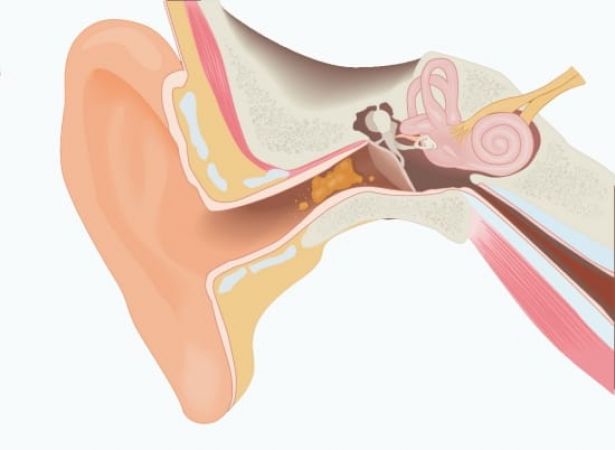
Earwax, also known as cerumen, is an oily substance produced naturally by the ear canal to protect the ear from any foreign particle, microorganisms, and dust. It also saves the ear canal from potential irritation caused due to water. Generally, the excess amount of wax travels to the ear opening naturally and is washed away.
However, in some instances, the glands can make excessive earwax that gets hard and block the ear. People generally end up pushing this wax much deeper when trying to clean it, which can cause a blockage. This blockage and building of wax can lead to temporary hearing loss.
Find an ear wax removal clinic near you
Composition of Earwax
The ear wax is composed of:
- 60 percent of keratin.
- 12-20 percent of unsaturated and saturated long-chain fatty acids, alcohols, and squalene.
- 6-9 percent of cholesterol.
Earwax is acidic in nature and has antibacterial properties. It is an essential substance that protects the ear from getting dry, water-logged, and various infections.
Symptoms of Excessive Earwax
The accumulation of too much earwax can result in a formation of plug that can block the ear. A blocked ear can cause a lot of pain and may affect hearing.
The possible symptoms of an earwax blockage are:
- Pain in the ear.
- Ear Infection.
- Itchiness.
- Tinnitus- the constant ringing sound in the ear.
- A feeling that the ear is full.
- Vertigo- that can lead to nausea and dizziness.
- A cough is caused by a blockage that stimulates the nerve in the ear.
The excessive build-up of earwax is the most common reason for many hearing-related problems. Refrain from putting anything in the ear when cleaning the wax. Inserting a cotton swab or any other object in the ear can push the earwax deep into the canal, which may make the problem worse.
The Vulnerable Population
Some people are more vulnerable to ear wax accumulation than others. These people include:
- People with a narrow ear canal.
- People who do not have a fully developed ear canal.
- People who suffer from osteomas, a condition of small bony growth in the outer part of the ear canal.
- People with specific skin problems, like eczema.
- Elderly, because earwax becomes harder and drier with age.
- People who tend to have recurring impacted earwax and ear infections.
- People who suffer from Sjorgen’s syndrome.
The Side Effects of Accumulated Earwax
The earwax accumulation problem occurs more frequently in the elderly population, especially those who live in assisted living centers and nursing homes. This earwax may appear like a simple thing, but it can lead to several hearing-related problems. Two-third of the population living in nursing homes have this excessive earwax, a condition known as impaction.
Excessive ear wax is associated with hearing loss and ringing sound in the ear. In some people, it is also linked with increased vertigo, which increases the chances of falling. According to some studies, there might be a correlation between cognitive decline and hearing loss.
Two third of the people that come to the clinics with the presenting complaint of hearing loss have an accumulated earwax. The deferral Medicare in 2016 filed a total of 1.7 million earwax removal services that accounted for about $51 million.
According to Julie Brown, working in the memory support unit of a private hospital, excessive earwax is fairly common in people with certain memory conditions. It leads to hearing loss, which can hinder their communication and worsen their existing aggression and other behavioral problems.
Filed under Ear Wax
Are you looking for ear wax removal?
These clinics are part of our network. Open a clinic's page to see what it offers, when it is open and how to book.